
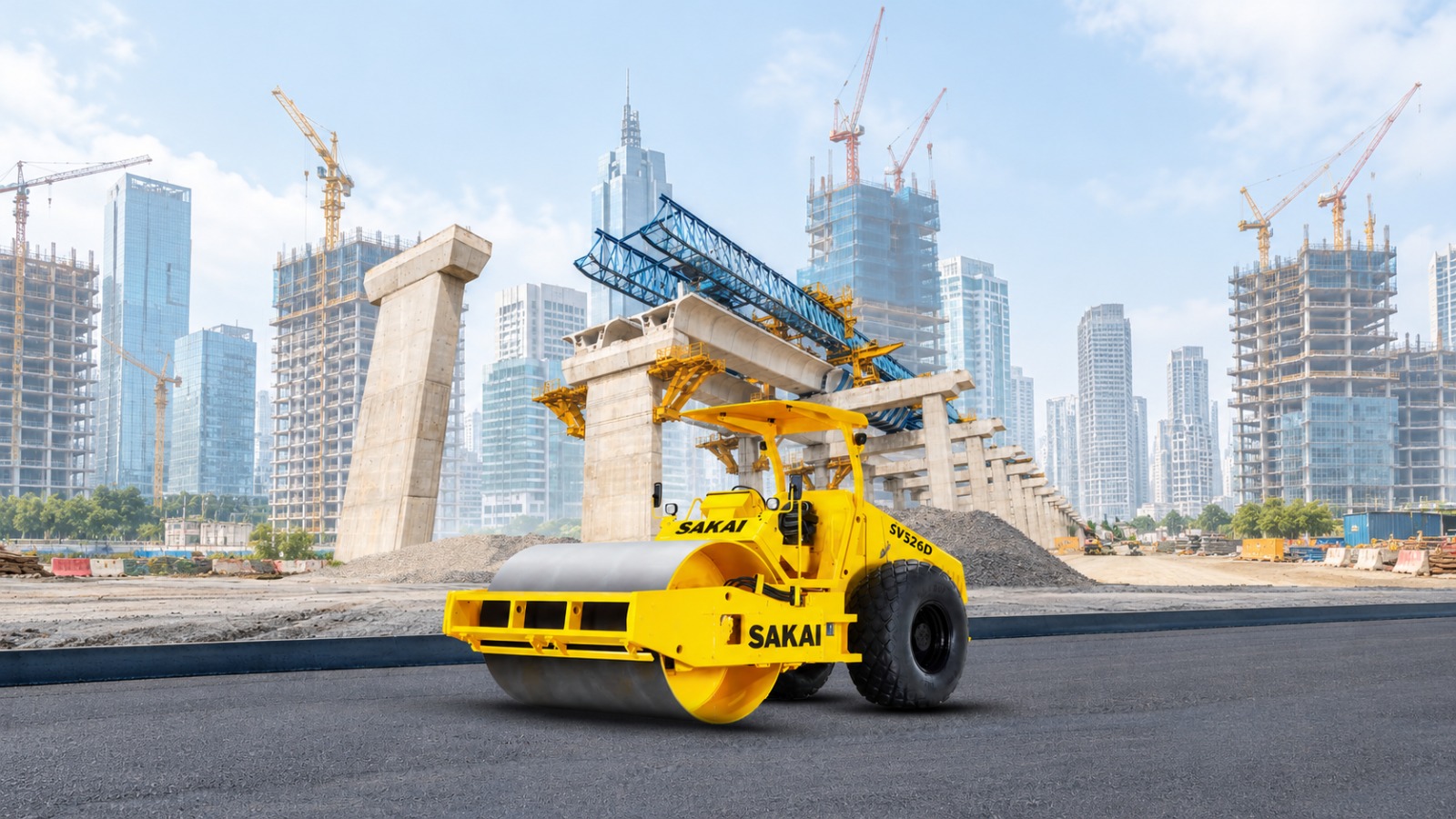
Soil compaction is a crucial process in construction work, but its effectiveness is only clear when measurement parameters are documented in writing and measurement evidence is available. This article helps onsite project coordinators in Jabodetabek record soil compaction measurement evidence correctly and distinguishes between equipment identification, surface photographs, and actual test results.
What Should Be Recorded from a Compaction Measurement?
- Measured Parameter: Clearly state what is being measured. For example, “surface soil stiffness” is a specific field measurement with a particular tool. Avoid using unspecific terms like “compacted” without explaining the actual measurement parameter.
- Measurement Unit: Copy the unit name exactly from the test report and ask for clarification if the terminology isn’t clear. Never interpret values without understanding the parameter or its unit.
- Testing Method: Record the method’s name as stated in the report. Ask the specialist which document explains the method and how it should be interpreted.
- Location and Time: Document the measurement location and date as clearly as possible. Example: “East ramp area, near elevation station X, morning time, after overnight rain.”
- Instrument/Equipment Identity: Note the specific instrument used, such as “brand X single-drum roller, serial number Y”. Avoid general terms like “heavy equipment” without details.
- Responsible Party: Write the name of the operator or laboratory who performed the measurement and the site supervisor responsible for the fieldwork.
- Project Reference Document: Record the document title, revision, and the correct reference section specifically cited by the project. Do not create your own clause numbers or acceptance limits.
Limits of Compaction Result Verification
- Equipment identification (like roller drum type) and surface photographs are not soil compaction test results.
- Administrative records assist in tracking measurements. Just having a complete log does not automatically mean the test result is valid; assessment still needs project documentation and qualification from the authorized technical party.
- The photo shown is for illustration only of a single-drum roller. It does not prove the existence of sensors, measurement systems, or compaction results.
Sample Soil Compaction Measurement Log (blank, for manual entry):
| Measured Parameter | Unit | Test Method | Location | Date & Time | Instrument Identity | Responsible Party | Project Reference Document | Additional Notes |
|---|---|---|---|---|---|---|---|---|
Essential Questions for Soil Compaction Testing Specialists
- “What parameters does this equipment measure, and what do they mean for soil compaction quality at my project?”
- “How is the unit reported, and can the result be related to my project specification?”
- “Is this tool calibrated and has it been used before on similar projects?”
- “Who is authorized to sign off on field test results?”
- “Is there a record or table comparing these measurements against project specification targets?”
- “Where is the original result saved, and who has access to the raw data if required?”
Surface Stiffness as Evidence: A Limited Example
BOMAG notes that TERRAMETER obtains a stiffness indicator through the interaction between the vibrating drum and the soil. Generally, stiffness rises with compaction[1]. This example does not prove the roller in the illustration has that system. Ask your testing specialist to explain the parameters shown on the report from the actual equipment used.
Conclusion
Document every soil compaction measurement result in writing with parameter, unit, test method, location, time, equipment identity, tester name, and project reference. Always double-check that your log offers more than just surface photos or equipment model statements, so that quality can truly be verified.
References
Plan your next step
Explore the equipment catalogue, then prepare the location, schedule and task details for your enquiry.
Explore rental equipment ↗