
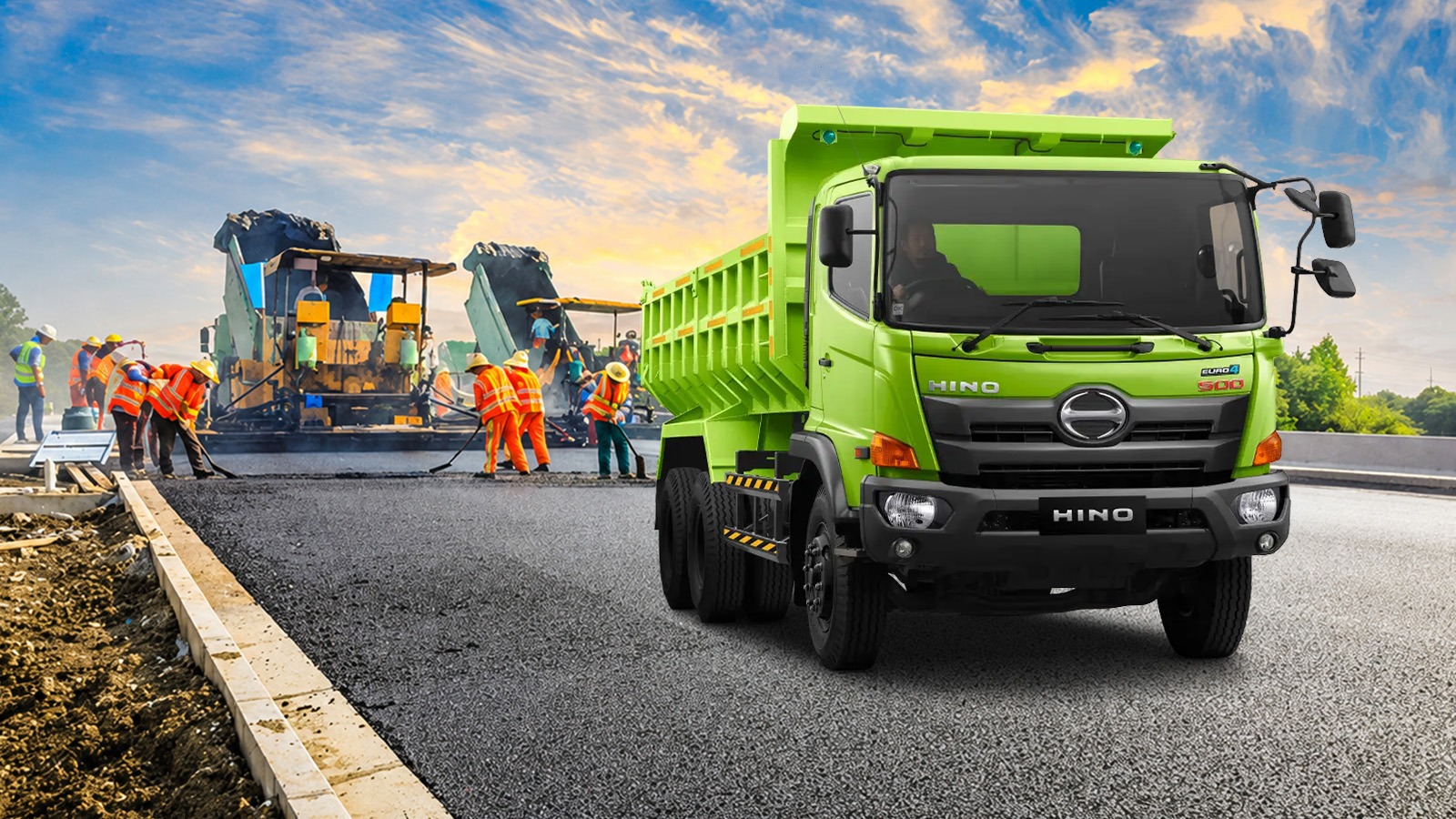
Simply calling a vehicle a ‘dump truck’ can cause confusion when comparing equipment options for quarry or mining use. In practice, key details—such as the exact manufacturer category, supplier definitions, and the actual condition of the haul route—make a major difference in evaluating whether a truck is truly suitable for heavy-duty site demands.
Why a broad label is not enough
When receiving offers, explicitly ask suppliers to state the correct equipment category. Separate the idea of a conventional road-based dump truck from the off-road haulers discussed in manufacturer documentation. Never assume capability or usage permission by name alone.
Importantly, the pictured example is a conventional dump truck illustration; it is not an articulated hauler or a rigid hauler from Volvo. Body shape alone does not guarantee durability or legal use on demanding mine routes.
Understanding rigid and articulated haulers per manufacturer
In a quarrying or mining context, Volvo CE links rigid haulers with routes that are wide, firm and well maintained—while articulated haulers are described for routes that are uneven, narrow or slippery. This is not a universal approval or a capability statement for all units; always ask the supplier how they confirm compatibility with equipment documentation and your specific route conditions[1].
Building a worksheet for category and route conditions
Document your project’s haul road as reported by your field team: who prepared each report, when observations were made, and which route sections remain unchecked. If information is missing or not confirmed, mark it as such—do not allow assumptions to be mistaken for fact when negotiating or requesting a quote.
The following worksheet is designed for organizing information ahead of supplier consultation. Any entry here is not a technical assessment or guarantee of suitability; always request the relevant technical authorities to clarify required documents and site checks before making decisions.
| Hauler Category (supplier definition) | Actual Route Description (field team) | Supporting Road Evidence | Targeted Hauling Task | Who Confirms Suitability |
|---|---|---|---|---|
| (Rigid hauler / articulated hauler) | (Is the route wide and hard, or narrow/hilly/slippery?) | (E.g. photos, width measurements, leveling and drainage checks) | (Heavy quarry/mining haul or general project material movement) | (Mine/field foreman and heavy equipment supplier representative) |
To help clarify requirements and avoid misunderstandings between parties, consider the following planning questions:
- Is the haul road easily accessible by long and heavy vehicles—or does it risk getting stuck or sliding, particularly in the rainy season?
- Has the team checked surface strength, track width, and slope—and who is responsible for this documentation?
- Does everyone—field crew and equipment supplier—explicitly agree on the hauler category?
- If extreme weather changes occur, will the route still meet the manufacturer’s recommended conditions?
Conclusion: Why clear category terms matter
Stating the exact equipment category helps formulate precise questions. Store supplier answers, route condition evidence and outstanding issues together in your worksheet. Equipment deployment decisions always require technical verification from approved documentation and actual site inspection; this worksheet does not guarantee equipment performance, legal compliance or operational safety.
Photo is a JML-approved illustration of a conventional dump truck. It is not evidence of any specific model’s specification, capacity, on-road legality or off-road capability, and does not show an articulated hauler or any Volvo model discussed in the source.
References
Plan your next step
Explore the equipment catalogue, then prepare the location, schedule and task details for your enquiry.
Explore rental equipment ↗