
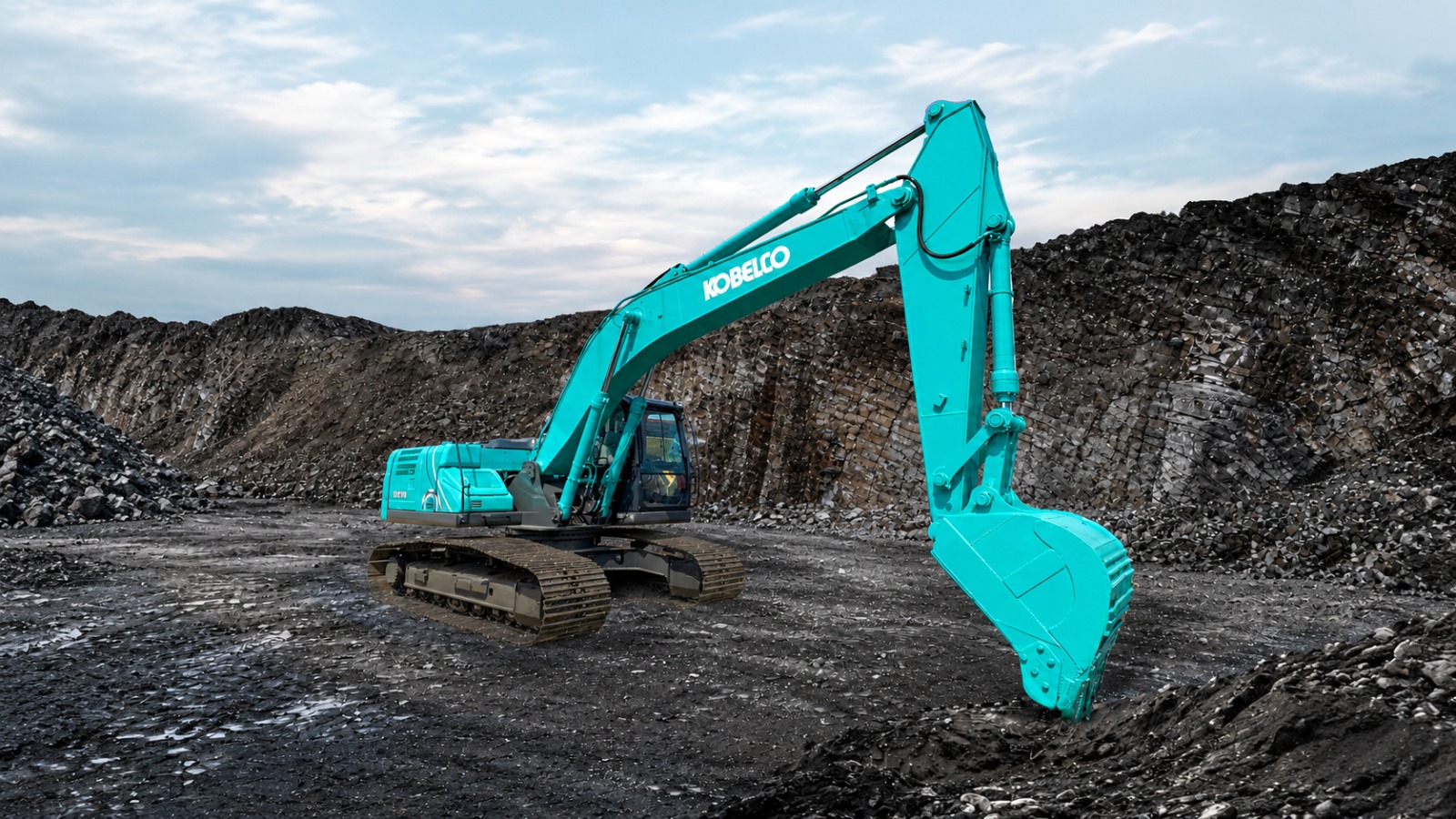
Choosing the right bucket for an excavator involves far more than simply picking the largest available. The ideal selection starts with understanding the characteristics of the material and the type of job at hand, not just the bucket’s size. Relying on size alone can lead to reduced efficiency, premature equipment wear, or mismatches with the main machine or other attachments. Below are practical steps to structure a useful bucket selection discussion before beginning a project in Jabodetabek.
Why bucket size should never be the only factor
It is common to assume a larger bucket will complete work more quickly. However, in practice, a bigger bucket may not suit materials such as sticky wet clay, solid rock, or dense aggregate. Heavy or challenging materials require a different approach than light ones, since extra weight can put excessive stress on the excavator or cause attachments to underperform. This is why discussions always begin with the material type and the project’s main application before narrowing down the choice of bucket design or size. Source: Caterpillar[1]
Key questions before choosing a bucket
- What are the primary characteristics of the material to be handled or excavated? (e.g., hardness, stickiness, moisture, rock content)
- Is the job more focused on loading, digging, transporting, relocating, or a combination?
- Are there specific requirements for feeding vehicles—like dump trucks, loaders, or transfer equipment?
- Does this bucket match the available excavator and its attachments?
- Is there a need for any special modifications or accessories (like teeth, side cutters, or wear plates)?
Guiding discussion with an equipment specialist
Invite conversations with equipment specialists or vendors whenever possible. Topics should include:
- Material analysis: Identify physical properties of the dominant on-site materials, such as density and abrasiveness.
- Application match: Confirm the selected bucket fits the planned work pattern and daily productivity targets.
- Equipment compatibility: Ask if the proposed bucket’s connections are suitable for existing excavators and future attachments.
- Production adjustment: Will the planned bucket and excavator setup meet site production goals and cycle times?
Do not assume the bucket used on a previous project will fit this one, as differences in materials, available dump trucks, or project methods frequently require a unique selection. Always open new discussions at the start of each project.
Blank worksheet – preparing to select an excavator bucket
| Aspect | Notes/Discussion Steps |
|---|---|
| Material Type | |
| Material Characteristics (Hard/Soft/Wet/Rocky) | |
| Main Application (ex: loading, digging) | |
| Compatibility with Dump Truck/Loader | |
| Match with Excavator | |
| Special Attachment Needed? | |
| Other Notes |
Practical interpretation notes and limitations
Be sure that details in your worksheet reflect the actual, specific conditions of your site—not generic or past assumptions. Confirm any changes in material, working method, or equipment with a technical specialist before making a decision. Remember, there is no universal standard for every project: direct discussions and site-ready evaluation remain top priorities. Avoid choosing a bucket based solely on references, bucket size, or advice that does not specifically review your project’s material and job needs.
References
Plan your next step
Explore the equipment catalogue, then prepare the location, schedule and task details for your enquiry.
Explore rental equipment ↗