
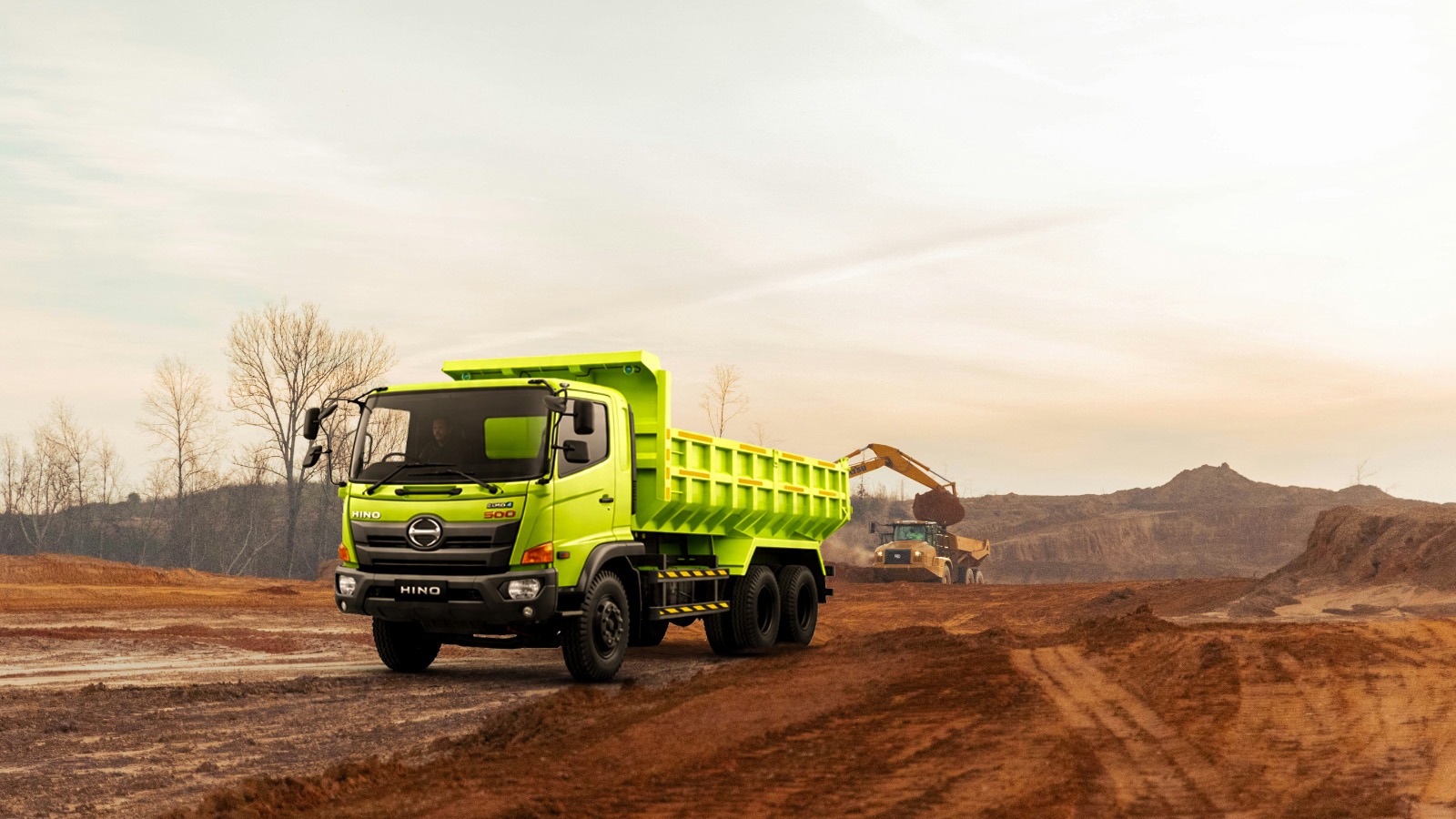
Understanding dump truck body volume and payload limit
When it comes to dump truck capacity, the terms volume and weight often get used interchangeably. However, they are two distinct aspects, both critically important in equipment planning and operation for construction sites—especially in busy regions like Jabodetabek. Knowing the difference ensures safety, compliance, and efficient site logistics.
Body volume: measuring available hauling space
Body volume describes the amount of space available in a dump truck’s body to hold materials. This is usually referred to in cubic or liter units. It tells you how much material could physically fit inside the truck—if you filled the body entirely, regardless of the type or density of the load. Manufacturers list body volume as a separate specification from the payload in official documents [2].
Payload limit: maximum legal and safe carrying weight
The payload limit is the maximum weight a dump truck is rated to carry, as recommended by the manufacturer. This figure reflects the safe working limit, taking into account the structural strength, braking system, safety, and current regulations. Manufacturers always clearly differentiate body volume and payload limit; exceeding the weight limit poses risks of damage, safety incidents, or legal violations [2].
Why separating volume and weight matters
- Volume and weight are not directly proportional. For instance, lightweight materials like dry soil may fill the entire body without reaching the payload. Conversely, heavy materials like rock can hit the weight limit before the body seems full.
- Estimating by appearance is misleading. You cannot accurately determine capacity by looking at the truck, counting loader buckets, or viewing a photograph. Only the manufacturer’s specification and actual on-site weighing provide reliable information [1].
- Safe and efficient operations match both criteria. Achieving optimum production and safety means loading dump trucks according to both their weight and volume limits, factoring in the specific material and onsite conditions [1].
Practical worksheet: checking dump truck capacity onsite
Use the following worksheet before operating or booking a dump truck, to ensure you’re working with the actual capacity suitable for your project and site requirements in Greater Jakarta.
| Step | Notes |
|---|---|
| Identify the dump truck type | Request the official manufacturer or supplier document specifying the model and type. |
| Record the body volume | Obtain the body volume from the technical datasheet provided by the manufacturer. Never guess from body size or photos. |
| Record the payload (weight limit) | Ask for the official payload limit from the manufacturer’s specification, clearly separated from body volume. |
| Determine the type of material to be transported | Find out the bulk density of your material. Different materials will affect how much can be loaded by weight, even if the body is not full. |
| Check actual weighing data | Use onsite scales to record real load weights every time the dump truck is filled—do not rely on visual estimates. |
| Assess site access conditions | Review road width, pavement strength, slopes, and legal load limits to ensure safe entry and exit for the truck. |
Key questions to ask your dump truck supplier
- What is the manufacturer-stated body volume?
- What is the official payload (maximum weight) for this truck?
- What type of materials are typically transported with this dump truck?
- Is there weighing data from previous projects?
- What are the access conditions to and from my project site?
Conclusion: there is no universal standard
Choose your dump truck based on the combination of official body volume, payload limit, material properties, and site access. Never estimate capacity from physical size, loader buckets, or a general impression. Always refer to manufacturer documents and record actual weights for each job to ensure both safety and productivity [1][2].
References
Plan your next step
Explore the equipment catalogue, then prepare the location, schedule and task details for your enquiry.
Explore rental equipment ↗