
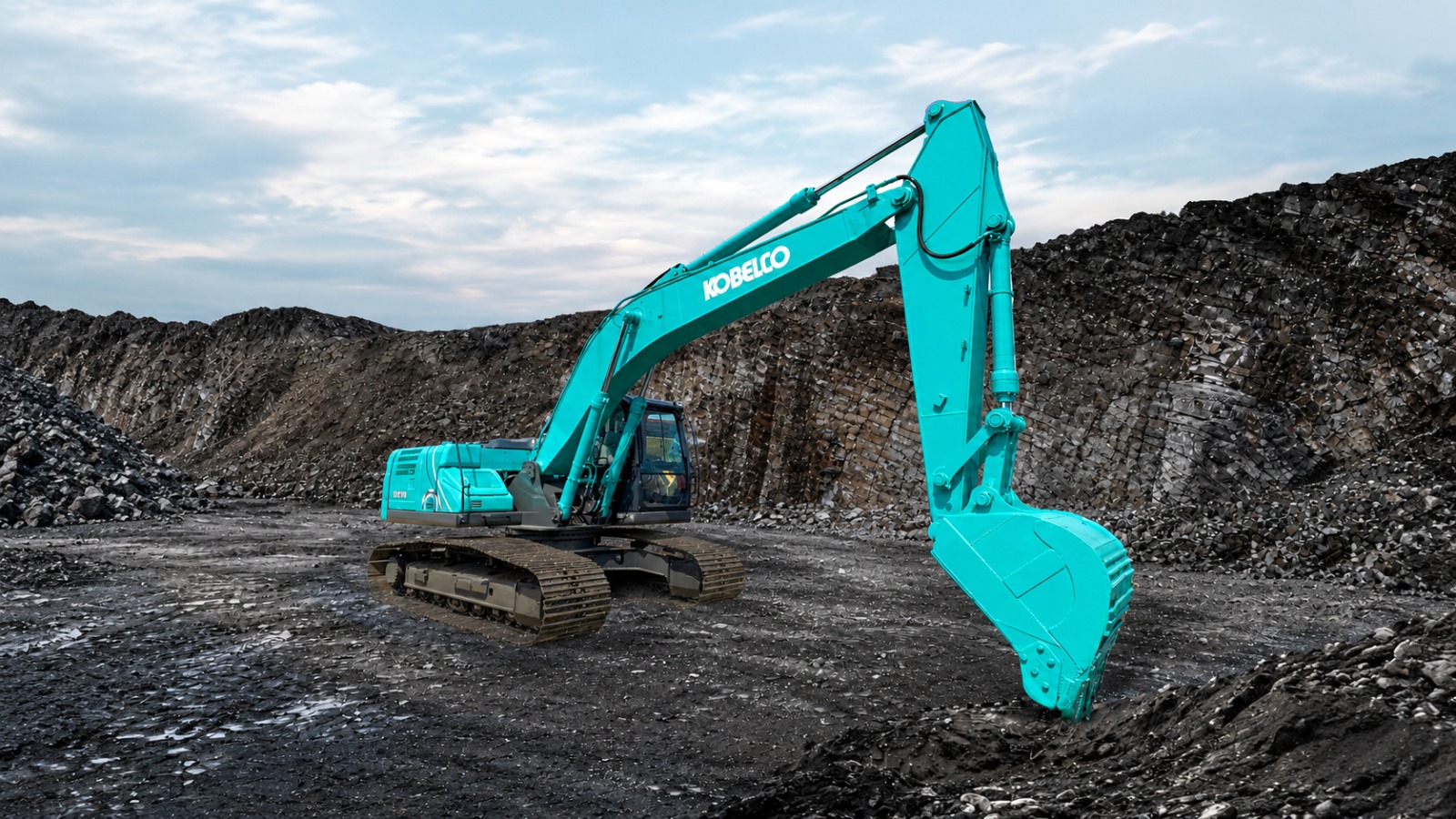
Excavator productivity is a common topic on construction projects—whether in planning or field evaluation. However, productivity is not simply a standard figure or a universal equation. Instead, it describes how much completed output an excavator delivers within a defined period given the specific site conditions and assigned task. Here is a practical guide to building a consistent and reliable field log for excavator productivity.
Steps to Create a Field Observation Log
- Define the task and material type
Start your record by specifying the observed activity—such as digging loose soil, loading material into dump trucks, or stockpiling. The type of material (soil, sand, stone) will impact the cycle time and finished output. This note also guides the selection of the right attachment, such as a suitable bucket, matched to both the site and the application [2]. - Enter the machine and attachment identity
Record the identity of the excavator—make, type, or internal unit number. Include specifics of the attachment used. This ensures that when machines or attachments are swapped, your logs remain consistent and comparable throughout the project. - Specify the observation window
Clearly set the observation period; for instance, one effective working hour or a period from a particular clock time until a task step completes. Always record the period accurately so your log can later be verified or compared. - Note completed output in a consistent unit
Examples include full truckloads delivered or material stockpiled in cubic units when known. Use the same unit type consistently to ensure data remains comparable over time. Avoid mixing different output measurements in a single log. - Record actual working time and waiting time
Separate the period when the machine is truly working (digging, moving, dumping) from any waiting periods—such as when trucks are not ready or delays occur between cycles. This distinction helps identify bottlenecks or delays in your operation [1]. - Include cycle-time notes where possible
If feasible, add remarks on the time required for one complete task cycle: from grabbing material, swinging, dumping, and the return to the original position. Cycle duration will vary with soil conditions, attachment match, and hauler readiness.
Understanding Productivity in the Field
In essence, productivity means describing finished output achieved within a measured effective work period. For instance, how much material is moved in one active hour. But it is important to note that a single number cannot represent all projects or situations. Many factors affect results: type of material, site layout, attachment fit, operator skill, weather, and how well your hauler is matched to your loader [1][2].
Be sure to distinguish clearly between a record based on actual field observation and a plan made in the office. Actual field records show what happened under real project conditions, while productivity plans are only estimates made before real variables come into play. A well-kept log creates the link between what is planned and what actually happens in the field.
The Importance of Loader and Hauler Matching
When loading and hauling are combined, matching the capacity of the excavator and the hauling unit (such as a dump truck) is crucial [1]. If the loader outpaces the available trucks, the excavator will spend much time waiting. If the hauler is too large for the loader, cycles become slow and completed output per period falls. Matching buckets and trucks supports smoother operations, so the productivity you record should reflect the whole system, not one machine on its own.
Simple Field Log Format for Productivity Tracking
| Description | Notes |
|---|---|
| Date and Observation Time | ___________ |
| Location | ___________ |
| Operator Name | ___________ |
| Material Type | ___________ |
| Task/Application | ___________ |
| Excavator Identity | ___________ |
| Attachment Type | ___________ |
| Observation Period | ___________ |
| Completed Output (consistent unit) | ___________ |
| Working Time | ___________ |
| Waiting Time | ___________ |
| Cycle Notes (if taken) | ___________ |
| Special Notes (weather, queues, etc.) | ___________ |
Conclusion
The best measure of excavator productivity is a consistently structured observation log. Focus your records on field facts: what the task was, when it was done, which equipment and attachment were used, and what was actually completed during a specific period. Include both effective working time and any waiting, as these are key for overall system evaluation. Equipment comparisons should focus on the loader-hauler match [1]—not a generic hourly output figure. By maintaining clear, practical field logs, you have a defensible reference for future planning and evaluation in Jabodetabek or any other project site.
References
Plan your next step
Explore the equipment catalogue, then prepare the location, schedule and task details for your enquiry.
Explore rental equipment ↗