
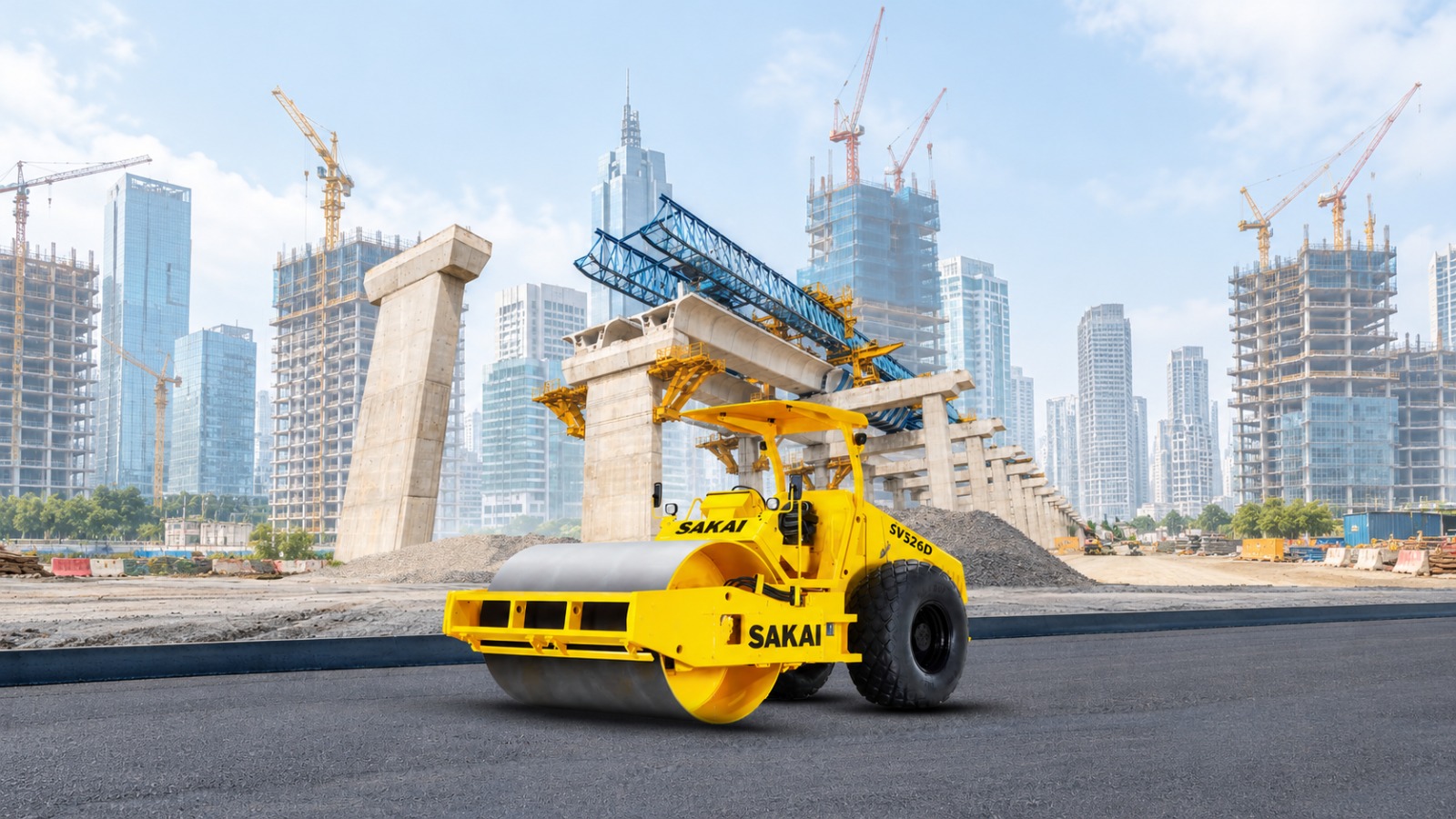
Vibro rollers, also known as vibratory rollers, are essential equipment in construction for compacting soil, aggregate layers, and asphalt. Recognizing drum types and their designated uses helps professionals in Jabodetabek effectively identify project needs before consulting a compaction specialist. This practical guide explains the main functions, common drum configurations, and how to prepare project information for further discussion.
What is the function of a vibro roller?
The core function of a vibratory roller is to compact ground or layer materials. Manufacturers categorize machines with a single drum for soil compaction, while tandem configurations serve primarily asphalt compaction. The purpose of this article is to help you identify the main types of rollers and gather pertinent project information. It does not recommend operational settings or guarantee compaction results[1][2].
Identifying vibro roller drum types
Recognizing the drum type is a key step to ensure the right equipment is chosen for the job:
- Smooth drum – This type is marked by its plain, smooth-surfaced drum. Smooth drum rollers are commonly referenced within equipment groups dedicated to soil work. Always note the actual project material to discuss with a compaction specialist; drum shape alone does not conclusively determine suitability[1].
- Padfoot drum – Padfoot, also called sheep foot or segmented drum, features protrusions along its surface. The presence of padfoot segments should be recorded when identifying units. While some models allow for a padfoot shell kit to be fitted over a smooth drum, not every machine can be converted[1].
- Tandem roller – Tandem rollers have both front and rear drums. They are listed as the primary configuration for asphalt compaction. Clearly describe the dual-drum configuration in your project brief without inferring compaction results from how the equipment appears[2].
Main differences in drum application
- In soil compaction briefs, record whether a machine has a smooth or padfoot drum[1].
- In asphalt jobs, document the configuration of front and rear drums if using a tandem roller[2].
- Be specific about which material is actually being compacted. Ask a specialist to confirm the unit and configuration, rather than matching equipment by name alone.
Preparing before consulting a compaction specialist
Before consulting a compaction supplier or professional, gather the following details to help streamline your discussions:
- Type of material or layer to be compacted – Clarify whether the job involves soil, aggregate, base, or asphalt layers.
- Area size and access conditions – Include any restrictions such as narrow roads, land contours, or low clearances affecting equipment mobilization.
- Roller and drum configuration – Consider whether a single drum, tandem, or a combination is needed. Which drum type best matches your material?
- Project testing and acceptance plan – Define which laboratory or field tests and standards must be met for acceptance, as set out in your project documentation.
Key points to remember
- A surface that appears smooth after rolling—whether soil or asphalt—is not by itself confirmation of adequate compaction. Laboratory or in-situ tests are essential for verification.
- Choice of drum and configuration must be discussed with a specialist, using accurate material descriptions and project requirements. Compaction performance should be verified by following the testing and acceptance plan, not by equipment selection alone.
- Avoid setting technical operating parameters like speed, vibration, moisture level, layer thickness, or pass counts before consulting with experienced professionals. These settings depend on project specs, material conditions, and in-field trials.
Identifying drum types and understanding their application is a vital first step before a project begins. All further technical decisions should be made collaboratively with compaction experts or experienced heavy equipment operators in the field.
By understanding functions and drum differences of vibro rollers, you can prepare technical data, streamline project planning, and avoid specification errors before formalizing a compaction brief in Jabodetabek.
References
Plan your next step
Explore the equipment catalogue, then prepare the location, schedule and task details for your enquiry.
Explore rental equipment ↗