
Understanding excavator types can make a big difference when preparing for your project’s equipment discussion in Jabodetabek. This article clarifies track and wheel characteristics so you can accurately prepare site notes—instead of relying on equipment names or appearances. The focus is on undercarriage features and questions for suppliers, not bucket selection, initial inspection, productivity logging, or general equipment selection.
Key distinction: track versus wheel
According to manufacturer sources, jobsite ground conditions and weather directly impact whether a track or wheel excavator may fit best. Tracks spread weight for greater stability on soft or uneven surfaces, while wheels offer superior mobility on compact, firm ground surfaces [CAT-TRACK-WHEEL].
Questions for tracked units
- What specific ground conditions have been reviewed by the supplier onsite?
- How does the actual unit match both the project location and expected tasks?
- What access details need clarification before discussing delivery or movement?
- Who is responsible for confirming use limits based on documentation and field assessment?
Questions for wheeled units
- What is the real condition of routes between working zones?
- Which parts of the jobsite require closer joint review with the supplier?
- Have mobility and unit movement needs been explained clearly to all parties?
- What unit documentation or site info still needs collecting before making a choice?
Preparing for discussion with your equipment supplier
Before you meet with suppliers, several questions about jobsite and mobility requirements should be raised. The worksheet below helps structure your approach so your discussion leads to the most appropriate unit.
| Aspect to discuss | Tracked unit info | Wheeled unit info | Site notes and confirmations |
|---|---|---|---|
| Reviewed ground surfaces | |||
| Weather and jobsite conditions at survey | |||
| Need to relocate between work areas | |||
| Access in and out of worksite | |||
| Unit identity and supporting paperwork | |||
| Questions raised and confirming party |
You can print or reuse this worksheet before every site meeting. In the “Site notes” section, project teams can record surface findings, access observations, or recent weather notes. This information becomes essential for matching an excavator to real requirements—rather than perceptions or generic advice.
Illustration and worksheet in use
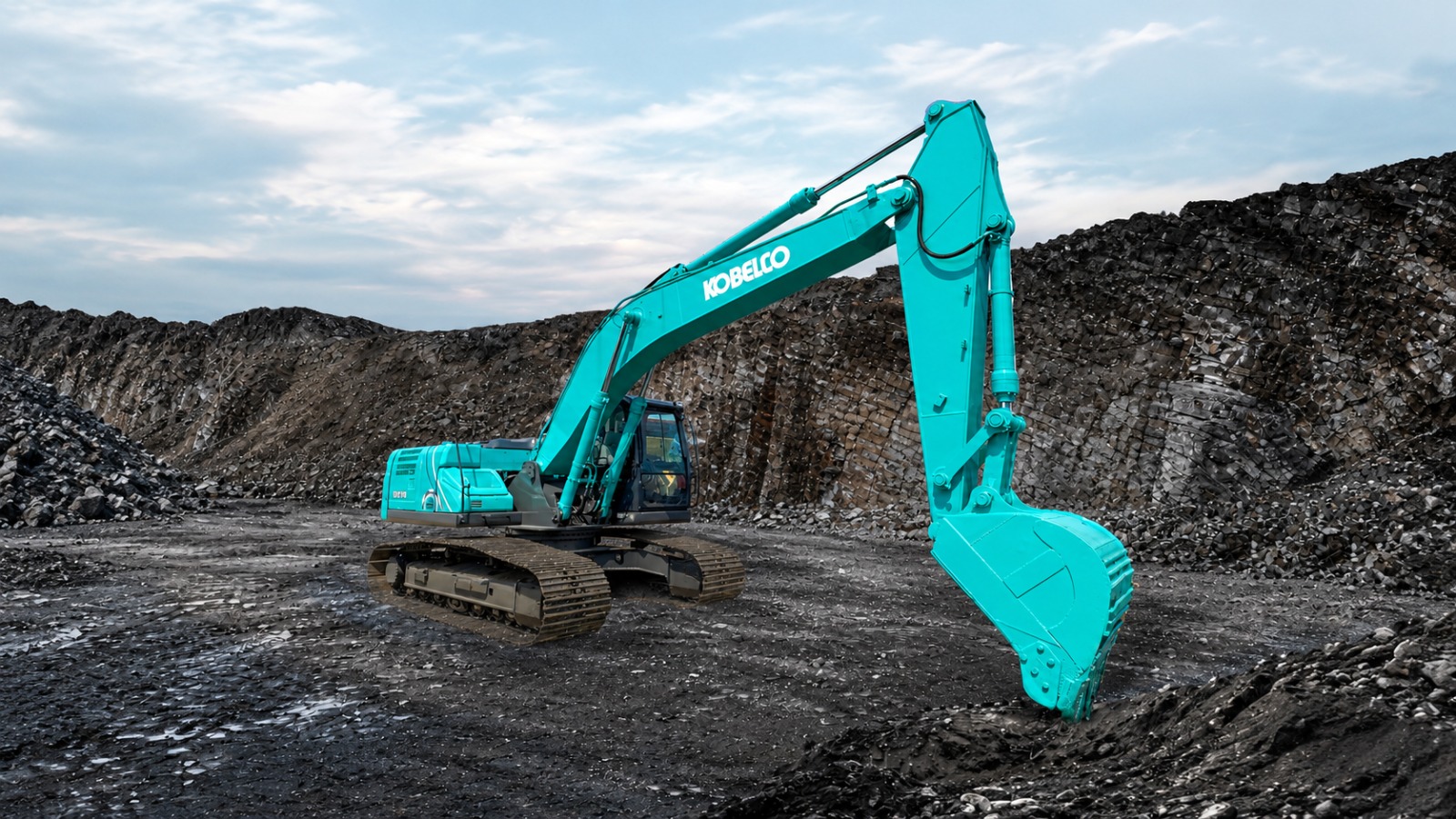
The attached photo is an illustration of a tracked excavator—this is not a Cat model or a wheel excavator, and offers no specification or measurement evidence.
This comparison supports objective planning and clear communication. Always keep open dialogue with equipment providers, include every note on your worksheet, and communicate access, weather, and distribution plans for the Jabodetabek area for optimum synergy between equipment and work condition.
Reference: Ground and weather influence on track and wheel choice adapted from [CAT-TRACK-WHEEL]. Not every site suits wheels or tracks without new assessment, and no undercarriage type is guaranteed to be always best.
References
Plan your next step
Explore the equipment catalogue, then prepare the location, schedule and task details for your enquiry.
Explore rental equipment ↗